
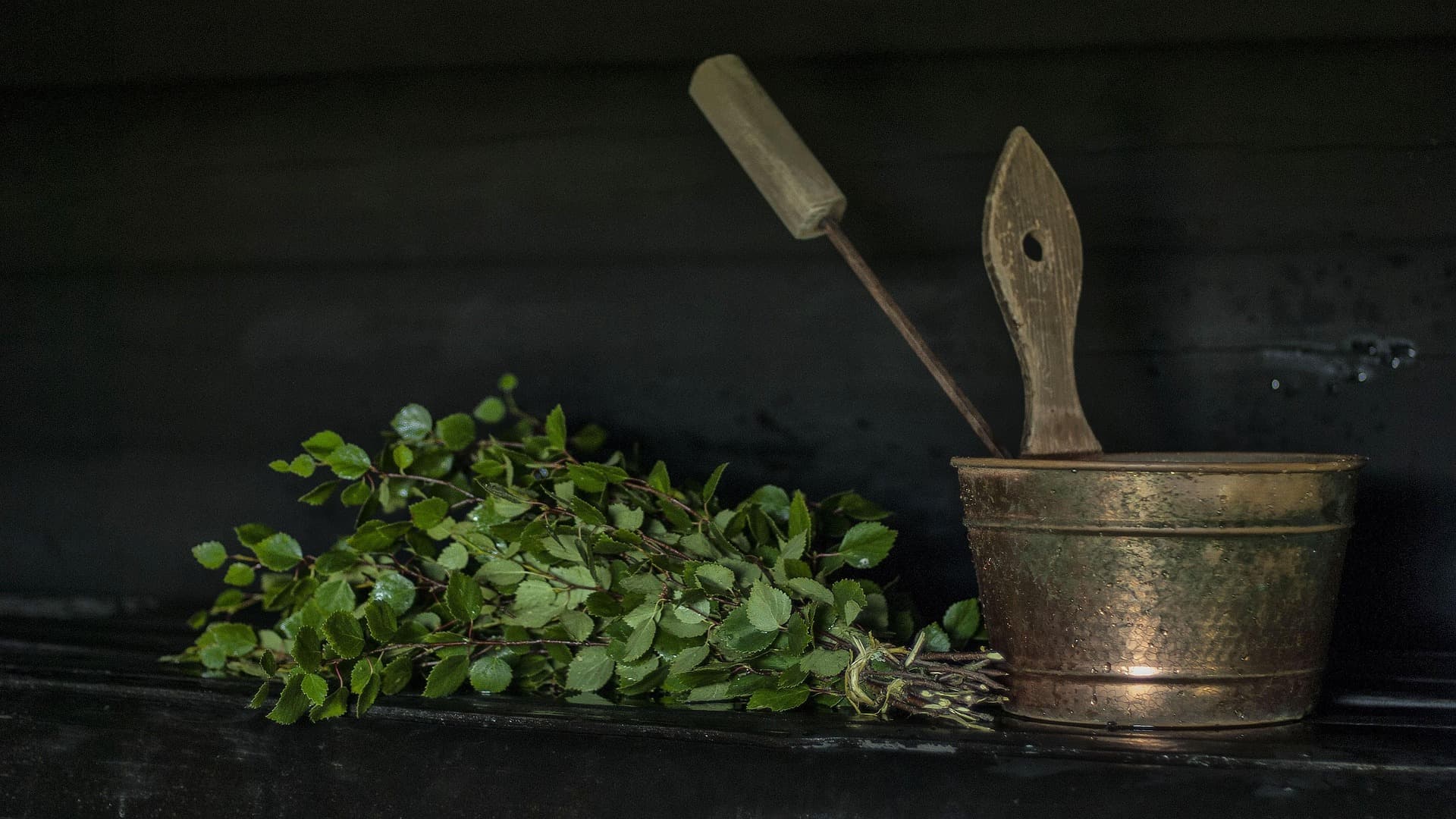
The sauna is far more than a hot room - it's a cornerstone of Finnish culture with a history spanning over two millennia. Let's explore how this humble sweat bath became a global wellness phenomenon.
Origins: The First Saunas (Pre-1000 AD)
The earliest saunas were simple pits dug into slopes, covered with animal skins. These primitive structures served multiple purposes:
- Warmth - during brutal Nordic winters
- Hygiene - the only way to bathe in freezing conditions
- Spiritual cleansing - the sauna was considered a sacred space
- Childbirth - the sterile, warm environment was ideal for delivery
The Finnish word "sauna" is one of the few Finnish words adopted into other languages, testament to Finland's ownership of this tradition.
The Smoke Sauna Era (1000-1900)
The savusauna (smoke sauna) became the standard for nearly a millennium. These saunas had no chimney - smoke from the wood fire filled the room, heating the stones and walls. After hours of heating, the smoke was vented and the residual heat provided a gentle, even warmth.
Smoke saunas are still considered by purists to provide the finest sauna experience. The smoke creates:
- Softer, more pleasant heat
- Antiseptic properties from the smoke
- Distinctive aroma
- Deeper cultural connection
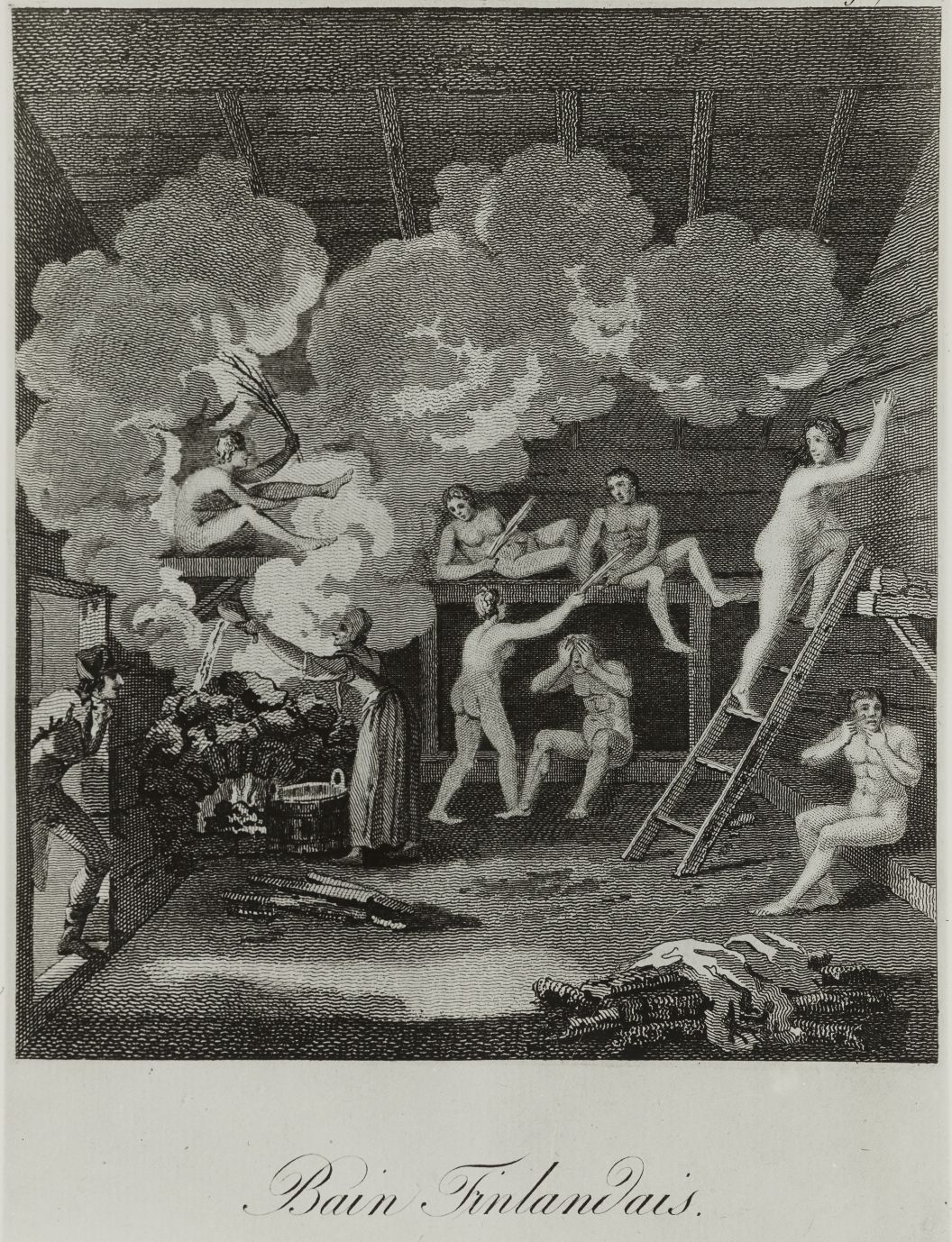
"A Finlandish Bath" illustrated by Giuseppe Acerbi in early 1800.
Finnish Sauna Culture Develops
By the medieval period, sauna had become central to Finnish life:
"First build the sauna, then the house." - Finnish proverb
Saunas were used for:
- Weekly bathing (typically Saturdays)
- Curing meats and fish
- Preparing malts for beer
- Healing the sick
- Important life rituals
The sauna spirit, saunatonttu (sauna elf), was believed to live in each sauna and had to be respected with proper behavior.
The Chimney Revolution (1900s)
The invention of the metal stove with a chimney transformed sauna culture:
- Faster heating - hours instead of all day
- Cleaner experience - no smoke residue
- Safer operation - reduced fire risk
- Urban adoption - apartments could have saunas
By the 1930s, the modern Finnish sauna as we know it had emerged.
Post-War Global Spread
Finnish soldiers in World War II introduced sauna to the wider world. After the war:
- 1950s: Sauna becomes popular in Germany and Central Europe
- 1960s: Spreads to North America and UK
- 1970s: Electric heaters enable home saunas worldwide
- 1980s-90s: Sauna becomes associated with luxury spas
- 2000s-present: Health research drives renewed interest
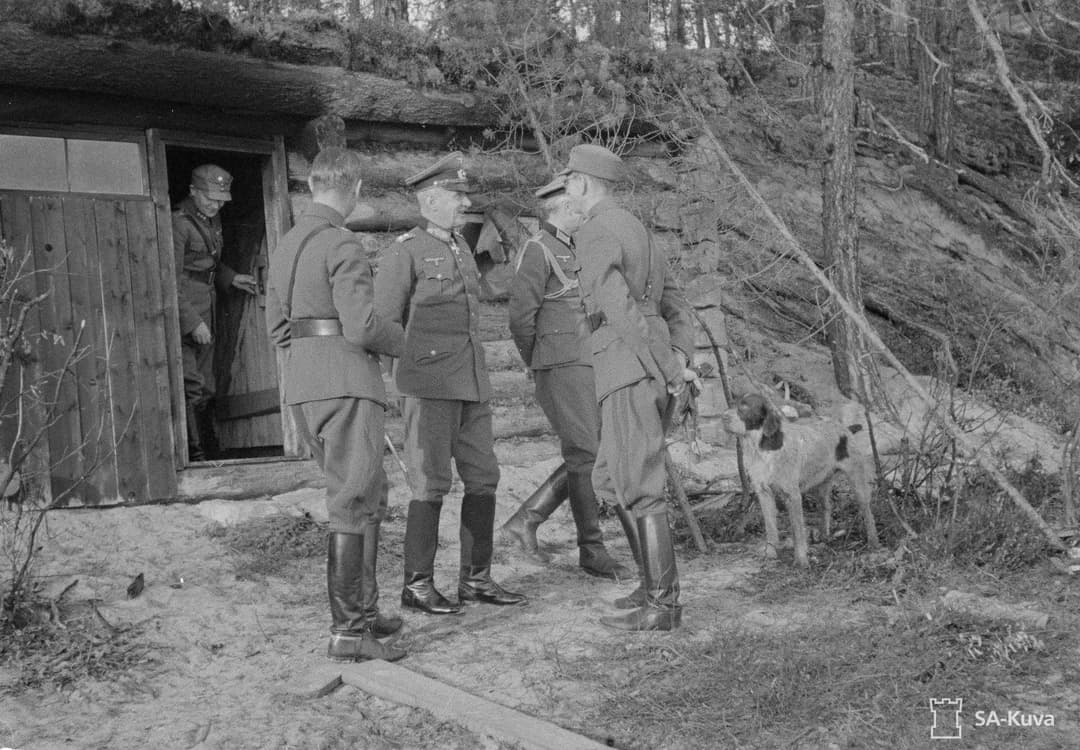
German officers inspecting a Finnish field sauna in 1941 during the Continuation War.
Sauna in Modern Finland
Today, Finland has approximately:
- 3.3 million saunas for 5.5 million people
- Saunas in 90% of Finnish homes
- Saunas in parliament, corporate headquarters, and even Burger King
The Finnish sauna tradition was added to UNESCO's Intangible Cultural Heritage list in 2020.
The Science Catches Up
Modern research has validated what Finns knew intuitively:
- Cardiovascular benefits proven in multiple studies
- Longevity associated with regular sauna use
- Mental health improvements documented
- Immune system boost during cold season
Preserving Tradition
While modern conveniences have changed how we heat our saunas, the core experience remains unchanged:
- Heat the stones
- Throw water for löyly (steam)
- Sweat, relax, repeat
- Cool down (cold water, fresh air, or snow!)
- Enjoy the peace afterward
The sauna remains a place for physical cleansing, mental relaxation, and social bonding - just as it was 2000 years ago.
Experience Authentic Sauna Culture
Whether you're building your first home sauna or visiting Finland, understanding this rich history deepens the experience. The sauna is not just a wellness trend - it's a living tradition connecting us to generations past.
"In the sauna, one must conduct oneself as one would in church." - Finnish proverb